20 years of SaMiFo: “Practices, knowledge and policies for the health of refugees”
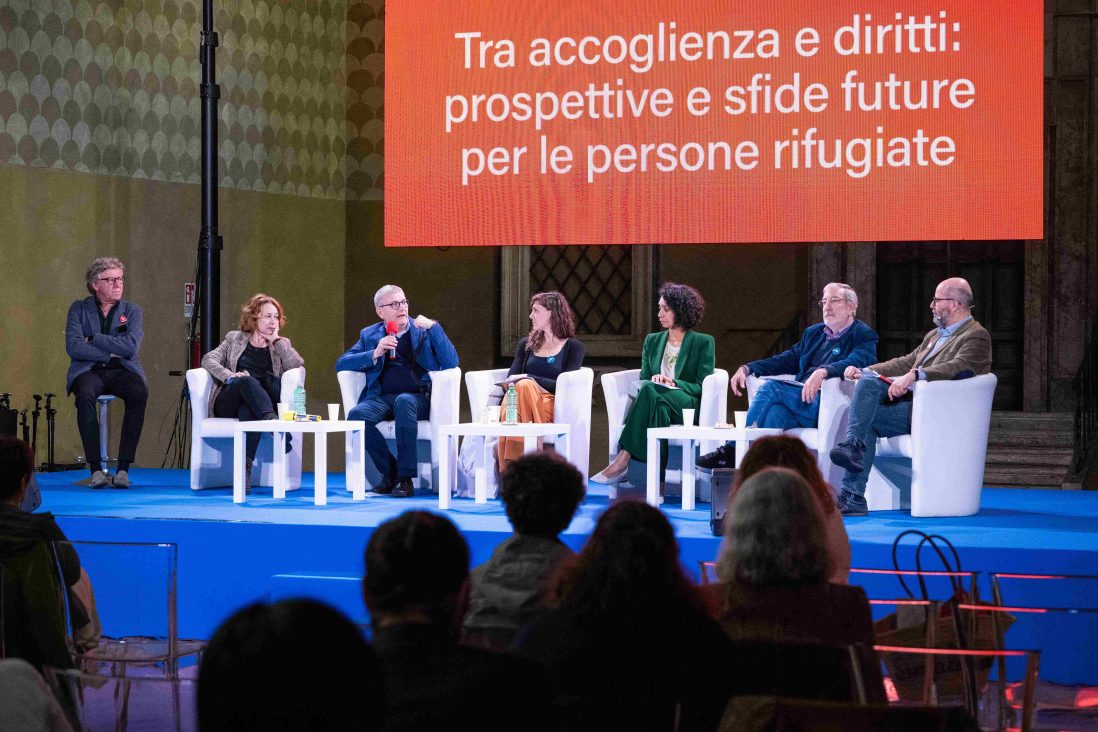
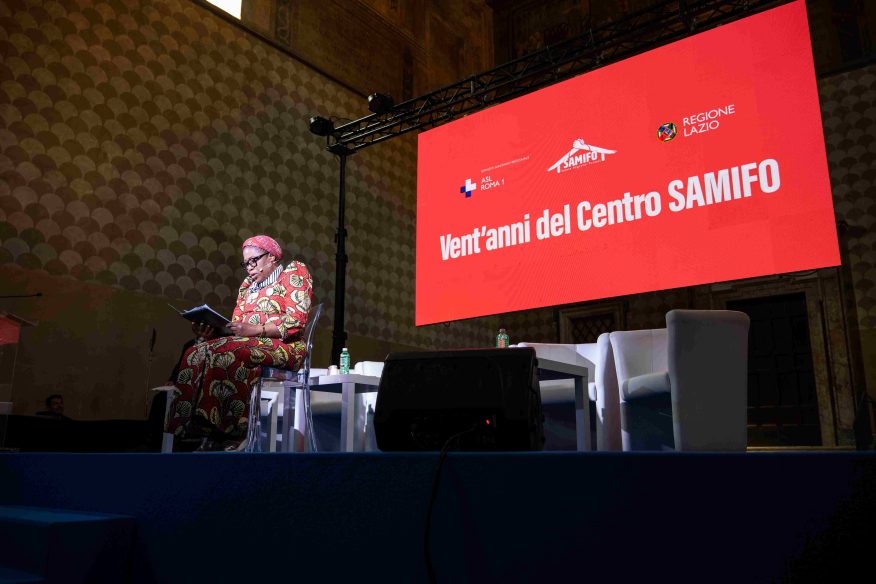
Twenty years after its founding, the SaMiFo (Forced Migrants’ Health) Centre, established through a joint initiative by the Centro Astalli and the public health authority in Rome, hosted a moment of reflection and dialogue on the health of refugees, bringing together field experience, shared knowledge and future perspectives. Held at the Sistine Wards in the historic Santo Spirito Hospital, the event, titled “Practices, knowledge and policies for the protection of refugees’ health”, celebrated the twentieth anniversary of the Centre, directed by Giancarlo Santone.
A pioneering project
The SaMiFo Centre was founded on 31 March 2006, thanks to an agreement between ASL Roma 1 (the public health authority) and Centro Astalli, as a pioneering project for the care and treatment of asylum seekers and refugees. On 21 April, it celebrated its first 20 years in the evocative Sistine Ward, established in 1473 by Pope Sixtus IV as Rome’s first hospital.
The main headquarters of SaMiFo, however, is located in a completely different area of the city, in the Community House on Via Luzzatti 8, just steps away from Piazza Vittorio, the multicultural heart of the capital. It is a service within the Italian National Health Service, specialising in treating trauma and the physical and mental suffering of people forced to flee their countries to save their lives. The report presented during the event reveals that the SaMiFo Centre is a model of care that, over 20 years, has opened its doors and provided support to thousands of adults and minors from more than 80 countries, delivering over 430,000 services across reception activities, primary care, women’s health, mental health, orthopaedics, forensic medicine, nursing, linguistic and cultural mediation, social services and psychiatric rehabilitation. It is a centre that has grown in response to geopolitical changes, conflicts, the pandemic, and, above all, the needs of asylum seekers and refugees.
Socio-health inclusion
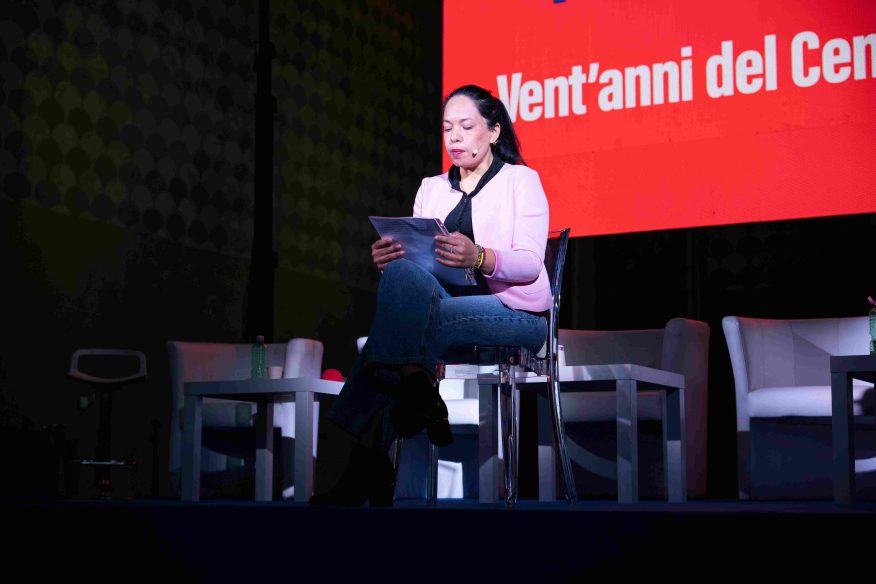
The event, introduced by SaMiFo director Giancarlo Santone and moderated by Riccardo Iacona, offered a very full day of dialogue between public institutions and civil society organisations, analysing challenges and reflecting on possibilities for coordinated action to promote the reception and socio-health inclusion of forced migrants. At the SaMiFo Centre, from the very beginning, the staff have provided services with the awareness that, in the words of Dr Santone, “care must adapt to people, not the other way around: this principle runs through all our work.”
These very people were at the centre of the event, with moving testimonies from Pierrette (a Congolese nun) and Juliana (a Venezuelan nurse), both refugees, who shared their stories of the remarkable capacity to rebuild their lives and the great support they received from SaMiFo in starting a new life in Italy.
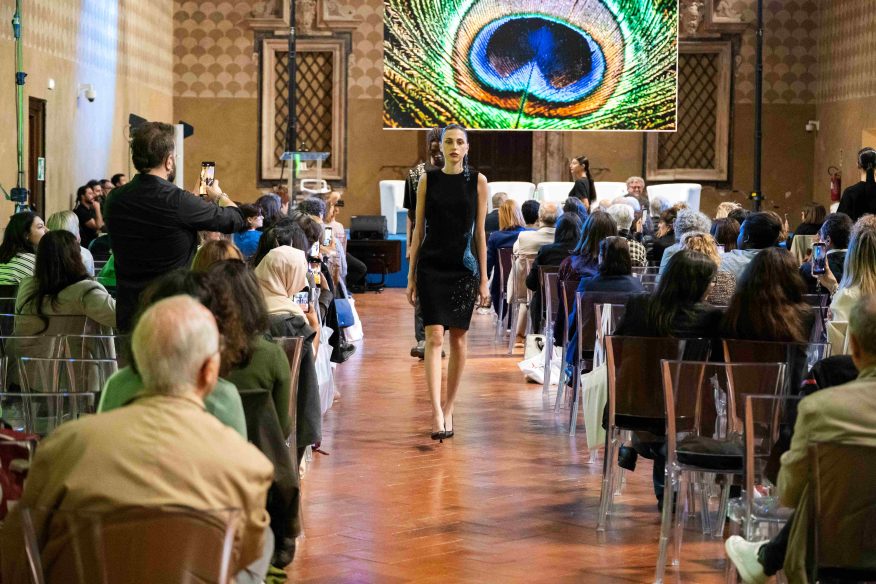
The screening of short films from the Spiraglio Mental Health Film Festival, the Amref photo exhibition, the (very joyful) fashion show of tailored garments, and the display of jewelry created by refugee men and women—thanks to courses and internships organised by SaMiFo for the European project LgNet3—helped further illustrate the attentive, network-based work which, as Dr Santone underline, “is not only something that can be done, but must be done” to ensure that forced migrants have the opportunity to overcome their traumatic experiences and transform fear into hope through individual paths of inclusion and the realisation of their abilities.
Working in network
Many representatives of public bodies and civil society organisations that have collaborated with the SaMiFo Centre for years, as part of an integrated territorial network, spoke at the event. ANCI, AMREF, Caritas Italiana, GRIS Lazio, the Istituto Superiore di Sanità, UNICEF ECARO, UNHCR and CIES highlighted the common challenges to be addressed: a lack of funding and the absence of a broad, structural vision that recognises forced migrants as rights-bearing individuals entitled to protection and inclusion in appropriate rehabilitation and integration pathways, delivered through accessible services staffed by trained professionals, including linguistic and cultural mediators, who are invaluable and cross-cutting figures across all aspects of support for migrants.
Regarding these established collaborations, we conclude with the clear words of Camillo Ripamonti, president of Centro Astalli, who emphasised that in the history of SaMiFo and the network of organisations supporting forced migrants, “what stands out is not only the quantity of actions undertaken, but the quality of the relationships created, the ability to imagine a community of care… A community that recognises that the right to health of the most vulnerable is, in fact, the foundation of everyone’s rights.”
Giorgia Rocca
(Image credits – Foto Buuuball)